
Exit Default Interest Bridging
If your existing bridge loan has moved onto default pricing (or is about to), structured refinancing may help redeem the current lender and reduce ongoing cost exposure — subject to underwriting.
Related solutions
What Is Default Interest on a Bridging Loan?
Default interest is typically a higher interest rate applied when a bridging loan reaches maturity without redemption, or when certain terms are breached.
Default pricing can materially increase monthly cost, so timing and strategy matter.
Common triggers for default pricing
- Loan maturity reached (term expired)
- Delays to refinance or sale
- Minor covenant or reporting breaches (case dependent)
- Unresolved legal/title matters slowing redemption
How Exit Default Interest Bridging Works
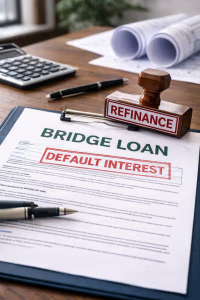
Exit default interest bridging is a new short-term facility used to refinance an existing bridge loan that has moved (or is about to move) onto penalty pricing.
The aim is to redeem the current lender and provide breathing space to complete the planned exit.
Why Borrowers Refinance Instead of Accepting Penalty Rates
- Cost control: reducing exposure to elevated default interest (subject to terms).
- Time: structured additional time to complete sale/refinance.
- Certainty: a clear plan to redeem the existing lender.
We Can Be Ready Before the Pain Starts
The best outcomes often come from acting early — before maturity or before default pricing escalates further.
If you know your timeline is tight, starting the review process early can increase available options.
Eligibility Considerations
Each case is assessed individually. Key considerations typically include:
- Current property value and equity position
- Reason for delay or breach
- Legal/title position and solicitor responsiveness
- Clarity and credibility of exit strategy (sale or refinance)
Public records guidance may be relevant during legal review via
HM Land Registry.
UK conduct regulation information is available via the
Financial Conduct Authority.
Worked Example – Avoiding Default Escalation
Scenario: A borrower’s existing bridge loan approached maturity and the lender indicated default pricing would apply if redemption did not occur on time.
- Objective: Redeem the current lender and secure additional time
- Approach: Structure a replacement facility based on current value and a clear exit plan
- Outcome: Redeemed the existing lender and provided breathing space to complete the exit strategy
Illustrative example only. All lending subject to underwriting, valuation and legal due diligence.
FAQs
Can you refinance a bridge loan already on default interest?
In certain cases, yes. It depends on the property, equity position, legal readiness, and the credibility of the exit strategy.
What do you need to review the case quickly?
Property address, current loan balance, maturity date, reason for default pricing, solicitor details, and a short summary of the proposed exit.
Is it better to start before the loan expires?
Often, yes. Starting early can reduce pressure, improve legal readiness, and help limit exposure to penalty pricing (depending on lender terms).
On Default Interest or Approaching Maturity?
Share the property address, current balance and maturity date — we’ll advise whether an exit default interest bridging facility may be suitable.